Losing a tooth can change more than your smile. It can affect how you eat, how you speak, and how confident you feel day to day. Many people adapt over time, but it’s common to notice small inconveniences that gradually become more frustrating.
Dental implants offer a long-term way to replace missing teeth, with a result that feels stable and natural. For many patients in Truro and across Cornwall, it’s a treatment that restores both function and comfort in a way other options may not.
In this guide, we’ll walk you through how dental implants work, what the procedure involves, and what you can expect at each stage. By the end, you’ll have a clear understanding of whether this type of treatment could be right for you.
What Are Dental Implants?
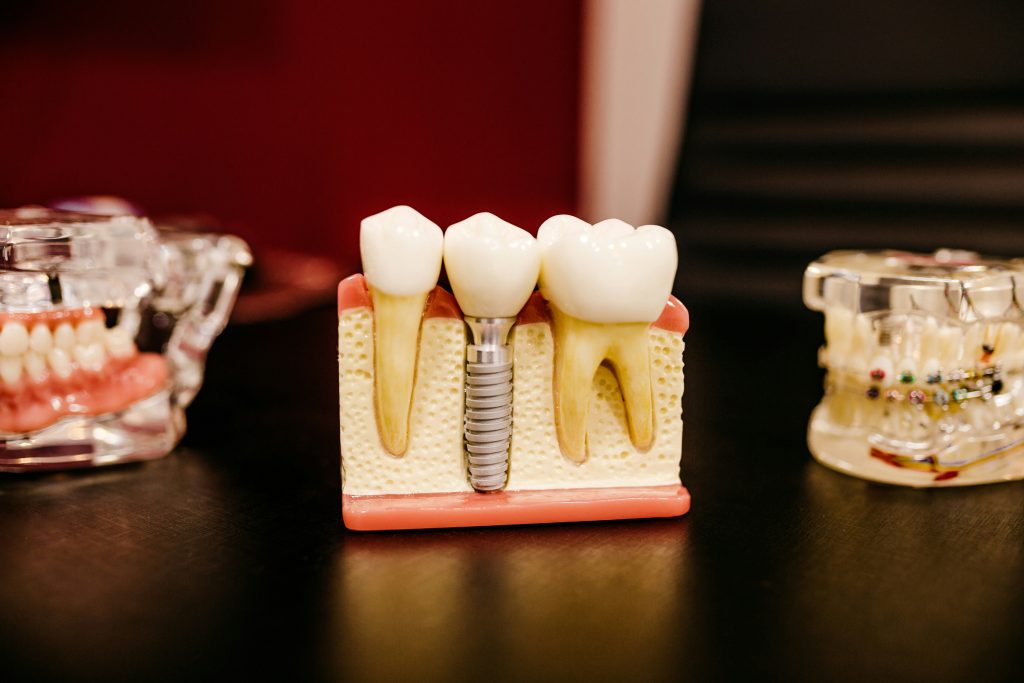
Dental implants are small titanium posts that are placed into the jawbone to replace missing tooth roots. Once the area has healed, the implant can support a replacement tooth, such as a crown, bridge, or denture. The aim of a dental implant is to restore the structure of a natural tooth as closely as possible. A complete dental implant is usually made up of three main parts:
Who Can Have Dental Implants?
Dental implants can be a good option for many adults with missing teeth, but suitability depends on the condition of your mouth and overall health. Before recommending treatment, we need to make sure the implant can be placed safely and has a strong foundation for long-term success.
In general, we look for:
- Healthy gums – Gums must be clear from disease before implant treatment begins.
- Enough jawbone – There needs to be enough volume and strength in the area.
- Good oral health – Any issues such as decay, infection, or inflammation should be treated first.
- Good healing ability – Your medical history, lifestyle, and any medications may affect how well the area heals after treatment.
If there is not enough bone in the area, implants may still be possible. In some cases, a bone graft can be carried out first to rebuild the area and create a better foundation.
During your consultation, we use clinical checks and scans to assess your teeth, gums, bite, and jawbone. This helps us decide whether dental implants are right for you and what steps may be needed before treatment begins.
Dental Implant Procedure Explained
The dental implant procedure is carried out in stages, allowing time for healing between each step.
It begins with a detailed assessment and planning phase. We use digital scans and imaging to understand your bone structure and position the implant accurately.
The implant is then placed into the jawbone during a minor surgical procedure. This is done under local anaesthetic, so the area is numb throughout.
After placement, the healing phase begins. Over the next few months, the implant integrates with the bone in a process known as osseointegration. This is what gives the implant its strength and stability.
Once healing is complete, the final crown is attached. This is designed to match your natural teeth in shape and colour, so it blends comfortably with your smile.
How Long Does Implant Treatment Take?
Treatment time can vary depending on your case.
On anterior teeth with adequate bone, we can sometimes provide immediate loading of the implant. This means that if you have lost or need a front tooth removing, you can have an implant and a natural-looking tooth replacement all finished within a single day.
In many situations, the process takes several months from start to finish. This includes time for healing after the implant is placed before the final restoration is fitted.
Some patients may require additional procedures, which can extend the timeline slightly. Others may be suitable for more streamlined approaches, depending on their bone and gum health.
We’ll give you a clear idea of your timeline during the planning stage so you know what to expect.
What Does Implant Surgery Feel Like?
Implant surgery is often more straightforward than people expect. The procedure is carried out under local anaesthetic, so you won’t feel pain during treatment. Most patients describe the experience as manageable, similar to other routine dental procedures.
Afterwards, it’s normal to have some mild discomfort or swelling for a few days. This is usually controlled with over-the-counter pain relief and settles as healing progresses. We’ll give you detailed aftercare guidance to help you recover comfortably.
Benefits Of Dental Implants
Dental implants are designed to restore both function and appearance in a way that feels natural. For many patients, the difference is noticeable not only when they smile, but in everyday things like eating, speaking, and how secure their teeth feel.
1. Stable And Secure Fit
One of the main advantages of dental implants is their stability. Because the implant is placed directly into the jawbone, it acts as a fixed anchor for the replacement tooth. This means it doesn’t move or shift when you eat or speak, which can be a concern with other options.
That stability allows you to bite and chew with confidence. Foods that may have felt difficult before, such as tougher textures, often become easier to manage again.
2. Supports Bone Health
When a tooth is missing, the bone in that area is no longer stimulated in the same way. Over time, this can lead to gradual bone loss. A dental implant helps address this by acting like a natural tooth root. It stimulates the surrounding bone during everyday use, which helps maintain its structure.
This can support the overall shape of your face and reduce the sunken appearance that sometimes develops when teeth have been missing for a long time.
3. Natural Look And Feel
Dental implants are designed to blend in with your existing teeth. The final crown is shaped and coloured to match your smile, so it sits comfortably alongside your natural teeth.
In terms of feel, most patients find that once healing is complete, the implant becomes part of their normal routine. There’s no need to remove it, and no extra steps beyond your usual brushing and flossing.
Dental Implants Vs Other Options
There are other ways to replace missing teeth, including bridges and dentures. A bridge relies on neighbouring teeth for support, which may involve preparing those teeth. Dentures rest on the gums and can be removed, but may feel less stable for some patients.
Dental implants work independently, without affecting adjacent teeth. This makes them a strong option for long-term support and preservation of surrounding structures. The best choice depends on your individual situation, which we’ll discuss during your consultation.
How Much Do Dental Implants Cost In Truro?
The cost of dental implants in Truro can vary depending on the number of implants needed and the complexity of your case. Factors that influence cost include:
- The condition of your bone and gums
- Whether additional procedures are required
- The type of restoration used
Because each case is different, the most accurate way to understand cost is through a consultation and treatment plan. We’ll provide a clear breakdown of what’s included, so you know exactly what your treatment involves.
How Long Do Dental Implants Last?
Dental implants are designed to be a long-term solution. With good oral hygiene and regular dental check-ups, implants can last for many years. The crown attached to the implant may need maintenance or replacement over time, depending on wear. Looking after your implant is similar to caring for natural teeth. Brushing, flossing, and routine visits all play a part in keeping it in good condition.
Are Dental Implants Safe?
Dental implants are a well-established and widely used treatment in the UK. When planned and placed correctly, they have a high success rate. Careful assessment and proper aftercare are key to achieving a stable outcome. We take time to ensure every stage is carried out with precision, from planning through to final placement.
How To Get Started With Dental Implants In Truro
The first step is a consultation where we can assess your teeth and discuss your options. We’ll take scans, talk through your goals, and explain what treatment would involve in your case. You’ll also receive a clear idea of timing and cost, so you can make an informed decision.
There’s no pressure to go ahead. The aim is to give you the information you need to decide what feels right.
Ready To Restore Your Smile?
If you’re considering dental implants in Truro, the best place to start is with a professional assessment. We offer consultations where you can ask questions, understand your options, and find out what treatment would look like for you.
📞 Call us on 01872 306622
🦷 Or book your consultation online
Dental Logic, 5 Little Castle Street, Truro, Cornwall, TR1 3DL